Brexit and Beyond
24 November 2025

In this week’s edition, we cover the recent UK-EU Parliamentary Partnership Assembly (PPA) which took place in London last week. We take a closer look at last week’s Economy Committee evidence session with the National Franchised Dealership Association (NFDA) re: ongoing issues around the divergence of GB and EU type approval schemes for new cars.
In our regular ‘Assembly round-up’ we report back on other EU and Brexit related issues discussed in the Assembly last week and look forward to what’s on the agenda this week. Our new ‘Parliamentary Planner’ section highlights upcoming debates and discussion topics at other legislatures. And as always, we link you through to news stories and items of interest you may have missed.
- Brexit and Beyond Survey
- UK-EU Parliamentary Partnership Assembly
- Local car industry faces a “generational challenge”, Economy Committee told
- Assembly Round-up
- This Week in the Assembly
- Parliamentary Planner
- In case you missed it…
Brexit and Beyond Survey

Thank you to everyone who has taken the time to complete our short ‘Brexit and Beyond Newsletter survey’ so far, your feedback is very much appreciated!
In case you haven’t had a chance to respond yet, we’re extending the survey until 5pm on Friday 28 November. Your response will be invaluable in helping us to shape the content and format of future newsletters so that they better meet your needs and interests.
UK-EU Parliamentary Partnership Assembly
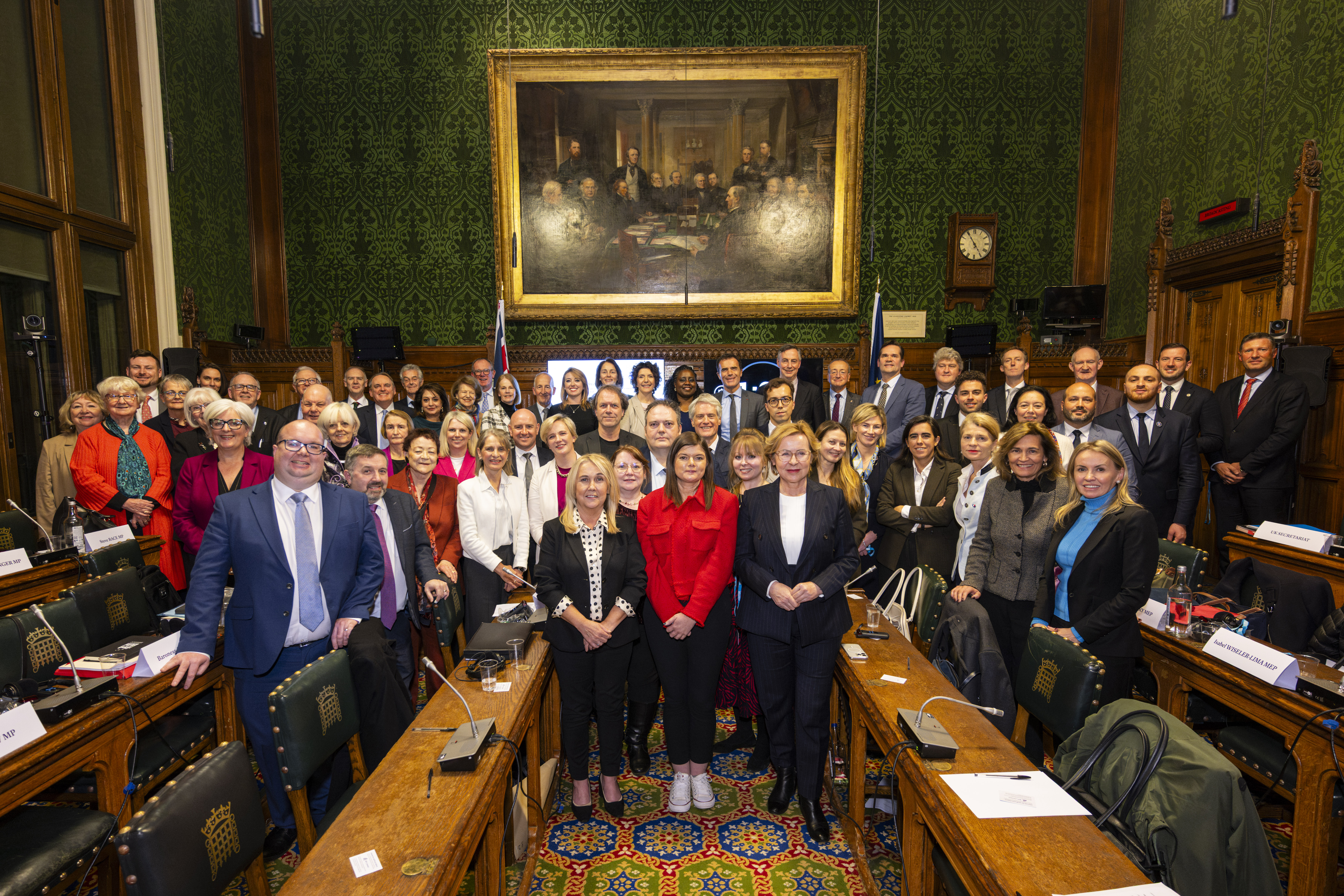
The sixth UK-EU Parliamentary Partnership Assembly (PPA) took place on Monday 17 and Tuesday 18 November in the Palace of Westminster. The PPA is able to make recommendations to the Partnership Council which oversees the Trade and Cooperation Agreement and is composed of delegations of members of the UK Parliament and Members of the European Parliament. Ciara Ferguson MLA, Chair of the Assembly’s Windsor Framework Democratic Scrutiny Committee (DSC) and Deputy Chair, David Brooks MLA, attended from the Assembly.
The PPA opened on Monday with an exchange of views between The Rt Hon Nick Thomas-Symonds MP, Paymaster General and Minister for the Cabinet Office (Minister for the Constitution and European Union Relations) and His Excellency Pedro Serrano, European Union Ambassador to the United Kingdom on the current state of play within the Partnership Council, including progress since the May UK-EU Summit 2025.
In his opening remarks, Nick Thomas- Symonds told attendees that he: “…put a lot of importance on this partnership…because of its role in creating trust and understanding between the UK and the EU.” Speaking on the outcomes of the UK-EU Summit last May, Mr. Thomas-Symonds said that the summit had: “…made it clear – we need to tackle barriers to trade… so we can drive investment, jobs and growth for both the UK and EU economies.” Welcoming progress on the EU’s agreed Sanitary and Phytosanitary and Emission Trading System mandates, the Minister said that this was: “…an important step in maintaining positive momentum and realising commitments made at the Summit… and the UK stands ready to start talks, now those mandates have been agreed.”
At the close of proceedings on Monday, participants took part in breakout group discussions on: Review of the Trade and Cooperation Agreement and the 2026 UK-EU Summit; Climate and energy; and Trade, supply chains and workers’ rights.
The House of Commons Library prepared a briefing to support the breakout session on the “Review of the Trade and Cooperation Agreement and the 2026 UK-EU Summit” which you can read in full here:
Following feedback from the breakout groups on Tuesday morning, further discussions took place on creative and cultural exchange and on AI, data and digital cooperation.
You can read more about the UK-EU Parliamentary Partnership Assembly here:
Local car industry faces a “generational challenge”, Economy Committee told
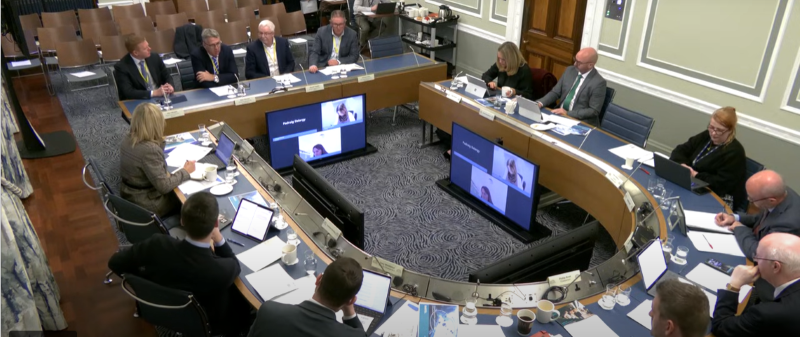
The National Franchised Dealership Association (NFDA) returned to give evidence to the Economy Committee on Wednesday regarding ongoing issues around the divergence of GB and EU type approval schemes for new cars. From 1 January new cars registered in Northern Ireland will require "EU type" approval, while cars sold in the rest of the UK will need a "GB type" approval.
Regular readers will note that we reported on the NFDA’s initial briefing to the Committee and the follow-up action taken by the Committee through correspondence with the Secretary of State, in our 20 October 2025 edition of ‘Brexit and Beyond’.
Alastair Peoples from the NFDA told Members that they had seen: “…very little progress in finding a solution to the free flow of new vehicles within the UK.” He added that the ongoing issues: “…are now having a critical effect with dealers seriously considering job losses as they now plan for next year." Mr. Peoples outlined that the current situation meant reduced choice for the consumer, higher costs compared to GB and that it was also affecting future investment in the sector.
Mr. Peoples told the Committee that while the Secretary of State had indicated that legislation to remedy the issue would be forthcoming: "Short term arrangements are now urgently needed while legislation is developed to align Northern Ireland with regulations which are already applied in Great Britain.”
The NFDA advised that major car brands including Vauxhall, Peugeot and Jaguar Land Rover were currently manufacturing cars for GB only, using GB type approval. Jeff McCartney, from Charles Hurst, cited Vauxhall as an example, noting that: "In the UK, their retail sales, year to date, are up 16% - in Northern Ireland, they're down 59%; it is massive.”
The Committee agreed that it would write to the Minister for the Constitution and European Union Relations, Nick Thomas-Symonds MP, to call for an immediate extension of the derogation process for at least another year. Members also agreed to write to the Secretary of State again, to the Windsor Framework Independent Monitoring Panel (IMP) and to make the First and deputy First Minister aware of the issue.
The Committee meeting was covered by the BBC and the Belfast Telegraph, both of which published a response from a Government spokesperson: "We are taking steps to ensure manufacturers face no barriers to obtaining dual vehicle approvals, guaranteeing that car dealers and consumers in Northern Ireland are not restricted in their choice." You can watch the evidence session in full here:
We also highlight in this week’s Parliamentary Planner that Lord Dodds of Duncairn will introduce two motions on the issue in the House of Lords on Tuesday 25 November.
Assembly Round-up
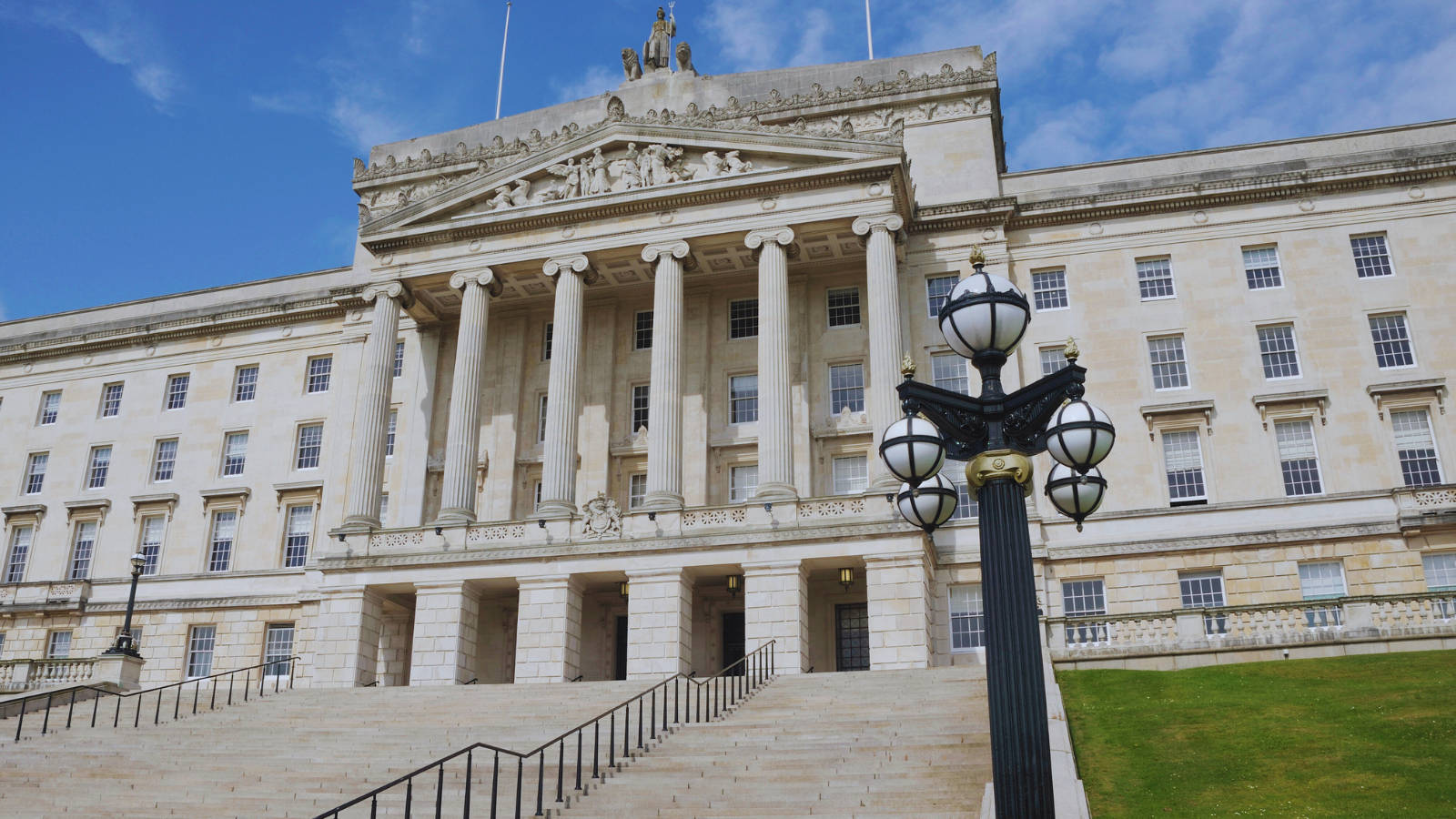
It was a busy week for EU, international and Brexit related business in the Assembly Chamber.
On Monday – the First Minister delivered a statement on the North/South Ministerial Council: Institutional and Plenary Meetings (NSMC) that took place at Farmleigh House in Dublin on 17 October 2025 and were attended by the First and deputy First Ministers. The First Minister told the Assembly that at the Institutional Meeting, Ministers had welcomed the continuing opportunities for developing mutually beneficial cooperation, including through the PEACE PLUS programme, work to develop a successor programme and through the Shared Island initiative.
During the NSMC plenary session, business and trade matters were top of the agenda. The First Minister noted that the Council had: “…an exchange of views on international and domestic business and trade developments since the previous plenary meeting, including on the UK-US and EU-US trade deals”. She told the Assembly that: “Ministers noted that the most recent combined figures for trade in goods and services between the two jurisdictions showed a total value of £12·4 billion or €14·3 billion…”
The First Minister responded to a number of questions from Members, including: the need to maximise the potential for dual market access; how the Executive will contribute to developing a successor PEACE PLUS Programme; the North/South interconnector and on how the Executive can build on the work of the NSMC to deepen all-Ireland cooperation with regards health, infrastructure and the economy.
Private Members’ Business: Challenging the Harm Posed by the Windsor Framework:
During Private Members' Business on Monday, the Assembly debated a motion on Challenging the Harm Posed by the Windsor Framework, you can read the full text of the motion here.
Moving the motion, Phillip Brett MLA cited Lord Murphy’s recent: ‘Independent Review of the Windsor Framework’ and the House of Lords Northern Ireland Scrutiny Committee Report: Northern Ireland after Brexit: Strengthening Northern Ireland’s voice in the context of the Windsor Framework, both of which raised concerns around the complexities faced by businesses with regards the current Windsor Framework arrangements.
Speaking during the debate, Declan Kearney MLA said that: “The Windsor framework is not a panacea, but it has mitigated many of the challenges that we have had to contend with.” He added that: “…the framework is here to stay, and our focus needs to be on how we can refine its further implementation.”
Meanwhile, the Leader of the Opposition, Matthew O’Toole MLA said that he felt there should be an EU Commission Office in Belfast, further noting that he wanted to have: “…representation for Northern Ireland in the European Parliament so that unionists, nationalists, the left and others can make representations there on behalf of our constituents and businesses.”
During the debate, Members speaking in support of the motion raised the ongoing difficulties faced by small and medium sized businesses here and the need for the UK government to urgently address the ‘democratic deficit’. Further concerns were voiced around the supply of veterinary medicines to Northern Ireland following the end of the current grace period on 31 December 2025 and the need, as suggested by Lord Murphy during his appearance at the recent Economy Committee meeting, to enhance Northern Ireland's voice early in the EU legislative process.
Other Members argued that whilst not perfect, the Windsor Framework had protected Northern Ireland from the worst effects of Brexit. Eoin Tennyson MLA noted that the Windsor Framework had contributed to a situation in which Northern Ireland's economy has outperformed that of the rest of the UK, stating that: “In 2024, economic output in Northern Ireland grew at a rate of 3·6%, compared with just 1·4% in the UK as a whole.” He added that it was his hope that over time: “… the framework can change, evolve and become less bureaucratic. The Lords Northern Ireland Scrutiny Committee's report and Lord Murphy's review can inform that process.”
The Assembly divided to vote on the motion, resulting in 27 ayes (in support) and 44 noes (against).
Questions to the Economy Minister:
On Monday, the Economy Minister was in the chamber for Question Time, where she responded to questions on the Independent Review of Invest NI which she said had: “identified significant challenges and called for profound transformation.” She told Members that in response, her Department was: “…working closely with Invest NI and key stakeholders, [and had] published a comprehensive action plan comprising 35 strategic actions to drive meaningful change and align the agency with my economic vision.”
The Minister also updated the Assembly on her recent trip to Boston which she said was: “… specifically about promoting the north-west as a leading location for investment and trade.” She noted that she had also attended a business leaders' event organised by Invest NI and had met with the former US envoy Joe Kennedy: “…to discuss building on the momentum that he had created and strengthening transatlantic economic ties with US companies.”
Draft Farm Sustainability Payment (FSP) Scheme (Eligibility etc) Regulations (Northern Ireland):
On Tuesday, the Minister for Agriculture, Environment and Rural Affairs, Andrew Muir MLA brought a motion to the Assembly calling on Members to approve the draft Farm Sustainability Payment (FSP) Scheme (Eligibility etc) Regulations (Northern Ireland) 2025. The Minister told the Assembly that: “The FSP, which is expected to attract approximately 22,000 applications annually, will act as a balance between providing a safety net that will help a farm business to withstand shocks that are beyond its ability to manage effectively and encouraging farm businesses to become more environmentally sustainable, efficient and resilient.”
Áine Murphy MLA noted during the debate that while the Statutory Rule: “…establishes the legal footing for the next phase of support, it also highlights the gaps and vulnerabilities created by the loss of EU funding streams for our farming community.” Concluding the debate, the Minister said that: “The requirement to have this debate and to put the regulations in place is a direct outworking of Brexit.” He added that he would: “…continue to focus on solutions and deliver for the farming community of Northern Ireland.” The motion passed with 54 ayes to 21 noes.
This Week in the Assembly:
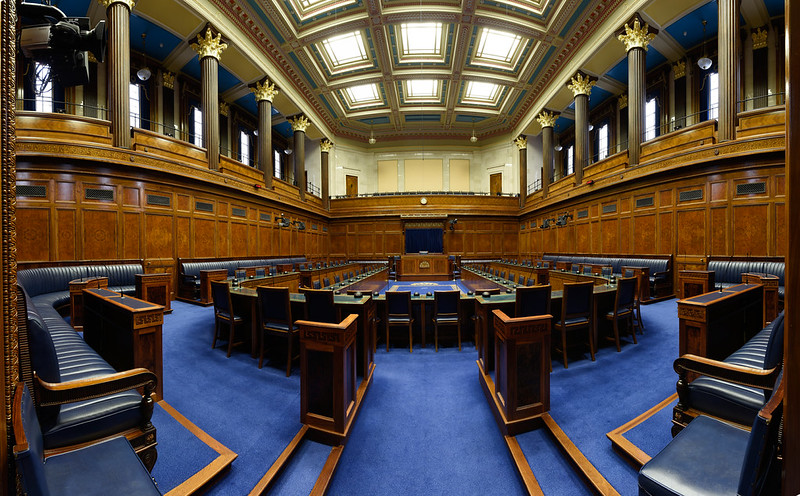
During Question Time today, the Executive Office responded to a question on plans to strengthen the capacity of the Office of the Northern Ireland Executive in Brussels, in light of the Independent Review of the Windsor Framework by the Rt Hon Lord Murphy. A further question on how the Executive Office proposes to implement the recommendations outlined in Lord Murphy’s Independent Review of the Windsor Framework, was also tabled.
Meanwhile on Thursday, the Committee for Agriculture, Environment and Rural Affairs will receive a briefing from the North of Ireland Veterinary Association on the supply of veterinary medicines into Northern Ireland.
The Windsor Framework Democratic Scrutiny Committee is also scheduled to meet on Thursday when Members will consider the Committee response to Lord Murphy’s Independent Review of the Windsor Framework and the House of Lords Northern Ireland Scrutiny Committee Report: Northern Ireland after Brexit: Strengthening Northern Ireland’s voice in the context of the Windsor Framework.
You can watch live or catch up on all plenary and Committee meetings at the Northern Ireland Assembly here:
Parliamentary Planner

It’s set to be a busy week ahead across other legislatures for EU and Brexit related issues.
The European Parliament:
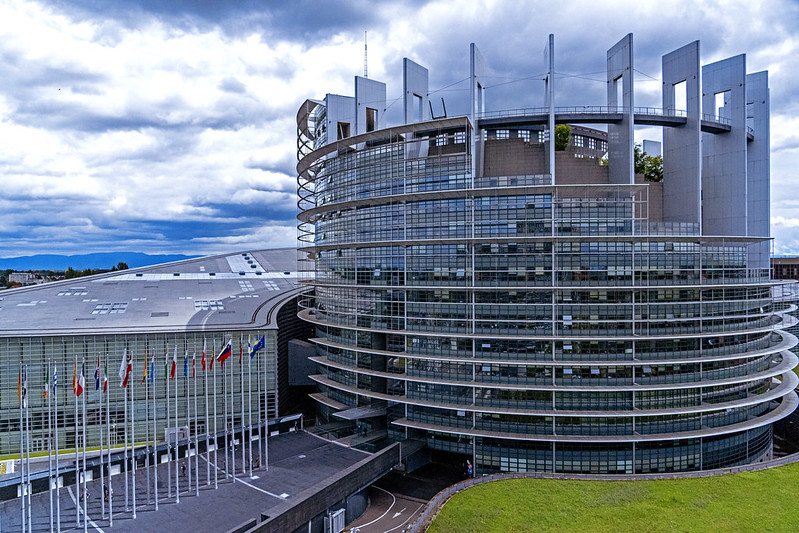
On Wednesday, 26 November, the Parliament will debate the Implementation of the EU-UK Trade and Cooperation Agreement. MEPs will vote on the issue on Thursday 27 November. You can view plenary sittings of the European Parliament here:
Meanwhile, the 64th meeting of the EEA Joint Parliamentary Committee (EEA JPC) will take place from 26 - 27 November in the European Parliament in Strasbourg. Amongst other items on the Agenda, Members will discuss the state of play of EU-UK relations.
The Scottish Parliament:
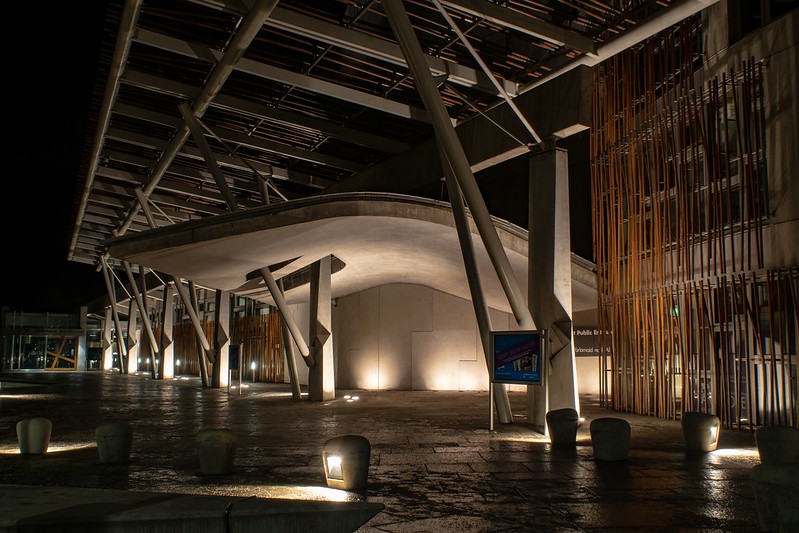
During Portfolio Questions on Wednesday, 26 November, the Cabinet Secretary for Rural Affairs, Land Reform and Islands is expected to provide an update on how Brexit has impacted Scotland's food and drink producers. A further question on what response [the Scottish Government] has had to its letter to the UK Government regarding the Fishing and Coastal Growth Fund, has also been tabled.
Westminster:
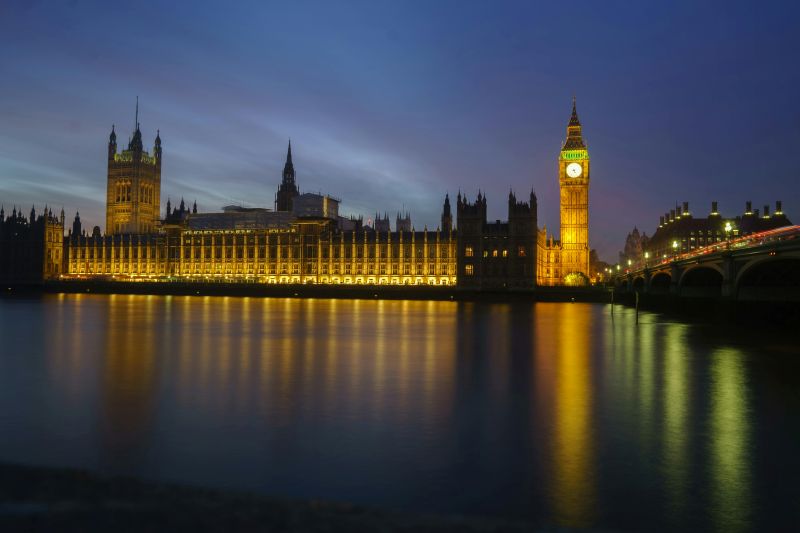
In the House of Lords on Tuesday, 25 November, Lord Dodds of Duncairn will introduce two motions which will be debated together: to move that the Grand Committee takes note of the Road Vehicles (Type-Approval) (Amendment) Regulations 2025 and that the Grand Committee takes note of the Road Vehicles (Type-Approval) (Amendment) (No. 2) Regulations 2025. 33rd Report from the Secondary Legislation Scrutiny Committee.
During, questions to the Scotland Office in the House of Commons on Wednesday, the Secretary of State is expected to respond to a question on: What assessment [he] has made of the impact of the Windsor Framework on trade between Scotland and Northern Ireland.
You can watch proceedings in the House of Commons here and in the House of Lords here:
In case you missed it…

-
BBC NI is reporting today that the Chancellor Rachel Reeves is set to announce more than £16m to support businesses in Northern Ireland dealing with post-Brexit trade rules when she reveals her Budget later this week. You can read the full article here:
-
The supply of veterinary medicines to Northern Ireland remained in the news headlines this week, with the Newsletter reporting that: DEFRA assurances on veterinary medicine supply problems to Northern Ireland do not match scale of concerns raised, says MP.
-
On the 17 November, the UK Government launched a formal ‘Call for Evidence’ asking businesses, trade bodies and stakeholders whether the UK should seek to join the Pan-Euro Mediterranean (PEM) Convention to boost trade opportunities for British businesses.
-
With just seven weeks to go until new changes come into force to keep UK seafood exports flowing, industry is being urged by the Marine Management Organisation to act now and get on board to ready their business.
-
In a 18 November article, The Guardian reports that: EU confirms it wants UK to pay into its budget in exchange for closer ties.
-
The BBC covered ‘QUB in new cross-border 'all island university' collaboration’ and reported on ‘Derry flights and Newry theatre get a share of €50m Dublin funding’.
-
On Wednesday 19 November, the Institute for Government held an event on ‘The UK-EU ‘reset': Six months on’ with Professor Anand Menon and Sir Ivan Rogers. You can watch a recording of the event here:
-
On Thursday 20 November, The Guardian reported on the ‘Ban on veggie ‘burgers’: plant-based products may lose meaty names in UK under EU law’.
-
A new report by the National Bureau of Economic Research examines the‘Economic Impact of Brexit’.
-
On Thursday, 20 November, the Scottish Parliament’s Constitution, Europe, External Affairs and Culture Committee took evidence in relation to its Transparency of Intergovernmental Activity and its Implications for Parliamentary Scrutiny inquiry. You can watch the evidence session here:


