Brexit and Beyond
01 September 2026

Welcome back to all our readers after the summer break. This week’s edition brings you up to speed on key developments from the past couple of months, ahead of the Assembly’s return from recess on 7 September.
From personnel changes to parcel charges, packaging rules to published replacement acts, it’s perfect catch-up reading for new Ministers, Ambassadors … or if you are simply returning to work after the bank holiday weekend.
- New Ministers, New Ambassador
- Summit some day soon?
- Steel yourself: UK and EU implement steel tariff changes
- VAT and electricity bills
- Unwrapping new EU packaging rules
- “Vast majority” of parcels sent to NI consumers not in scope for customs charge
- Windsor Framework Committee publishes reports on replacement EU Acts
- And finally… Iceland votes against EU accession talks
New Ministers, New Ambassador
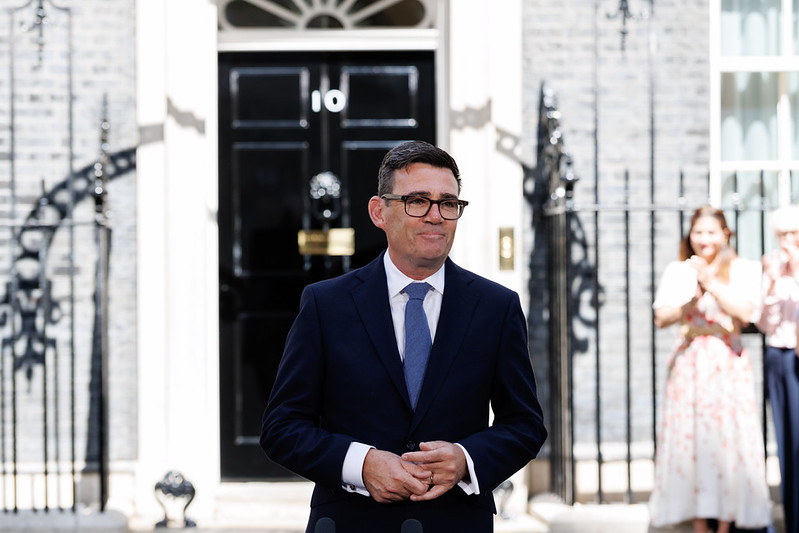
Prime Minister Andy Burnham arrives at 10 Downing Street. Picture by Lauren Hurley / No 10 Downing Street
The new UK Prime Minister, Andy Burnham MP, appointed Hamish Falconer MP as Minister of State (Minister for Intergovernmental Relations and European Relations) on 20 July 2026. Mr. Falconer replaces Nick Thomas-Symonds MP as Minister, and takes over responsibility for negotiations with the EU ahead of the expected UK-EU summit this autumn. The Guardian published a profile of the new Minister on 9 August.
A BBC article on 26 August 2026 reported that the PM and the leaders of devolved administrations in Wales, Scotland and Northern Ireland will convene at the National Economic Council in October, to discuss how to boost economic growth. Meanwhile the Institute for Government has made suggestions for the new government on how it might improve relations with the devolved administrations, in a new paper published 23 July:The Burnham government needs a new strategy for the Union
Today (1 September) is also the first day in the job for the new EU Ambassador to the UK, Jukka Salovaara. Prior to taking up his post, Mr. Salovaara led the Finnish Diplomatic Service as Permanent State Secretary at the Ministry for Foreign Affairs of Finland.
His predecessor, Ambassador Pedro Serrano, reflected on his experience working as an EU diplomat and his time as Ambassador to the UK in the latest episode (26 August 2026) of the Centre for European Reform's podcast.
Summit some day soon?
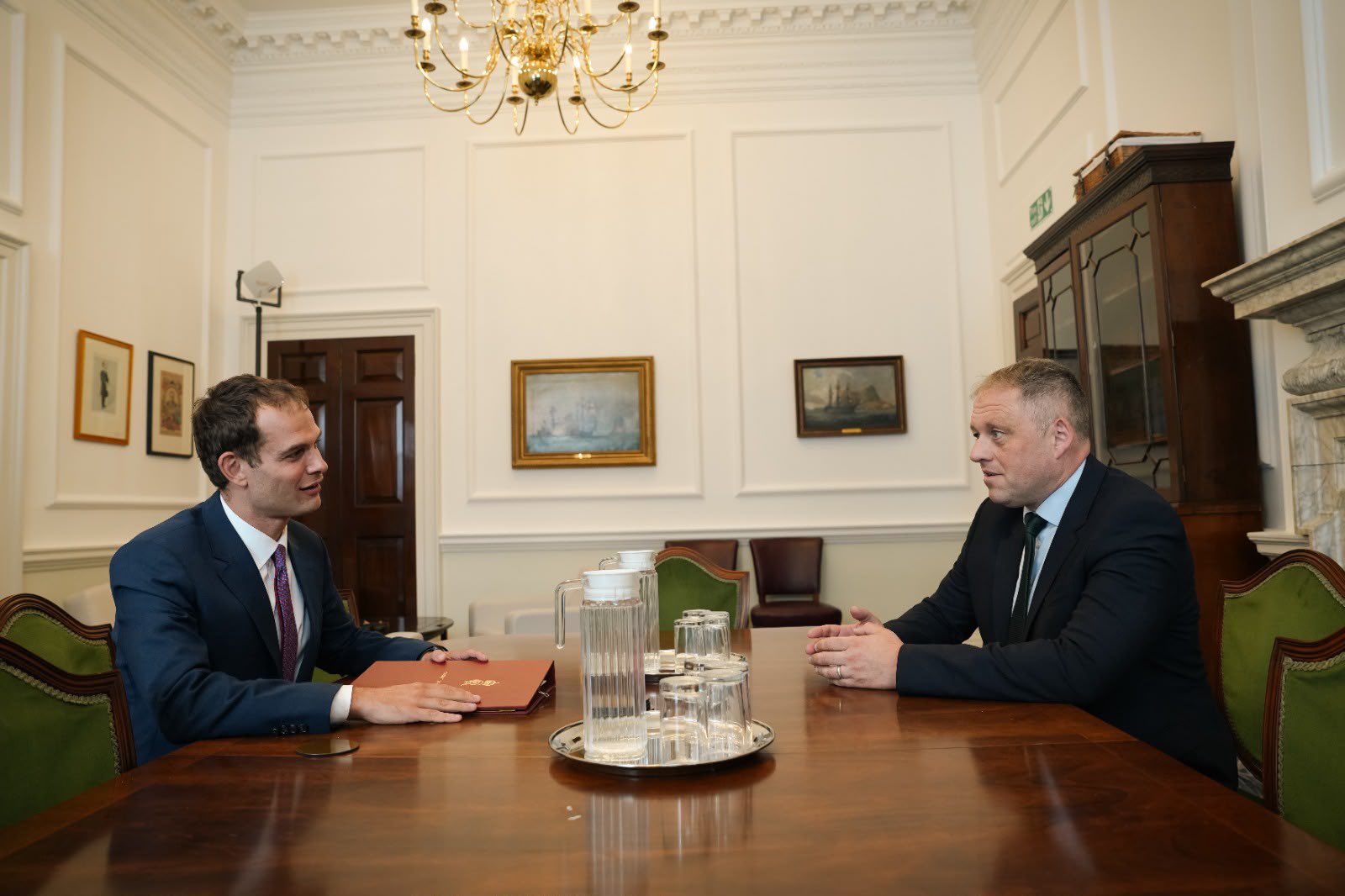
The Minister for Intergovernmental Relations and European Relations, Hamish Falconer MP meets Thomas Byrne TD, the Irish Minister of State for European Affairs and Defence. Originally published by Hamish Falconer on his X account.
Readers will recall the second UK-EU summit, previously scheduled for 22 July 2026, was postponed following Keir Starmer’s resignation as Prime Minister. The summit is still expected to take place this Autumn although a date has not been set.
Thomas Byrne TD, Ireland’s Minister of State for European Affairs and Defence, met with Hamish Falconer in London on 18 August to discuss plans for the summit.
The Financial Times reported (paywall) comments from Mr. Byrne that there was: “…a lot of work still to do” ahead of the summit, with key issues to be resolved as part of negotiations on a new youth mobility scheme. These include the size of the scheme and whether EU students studying at UK universities should pay ‘home fees’ rather than international fees. Agreement on youth mobility is understood to be necessary to move forward deals on agrifood trade (‘SPS’) and on linking emissions trading systems (ETS).
Meanwhile, a report in the I newspaper (paywall) on 24 August suggested that the UK Government would be open to cutting fees for EU students in return for substantial trade concessions, for instance that UK firms are not disadvantaged by ‘Made in Europe’ policies introduced under the EU’s Industrial Accelerator Act.
Steel yourself: UK and EU implement steel tariff changes
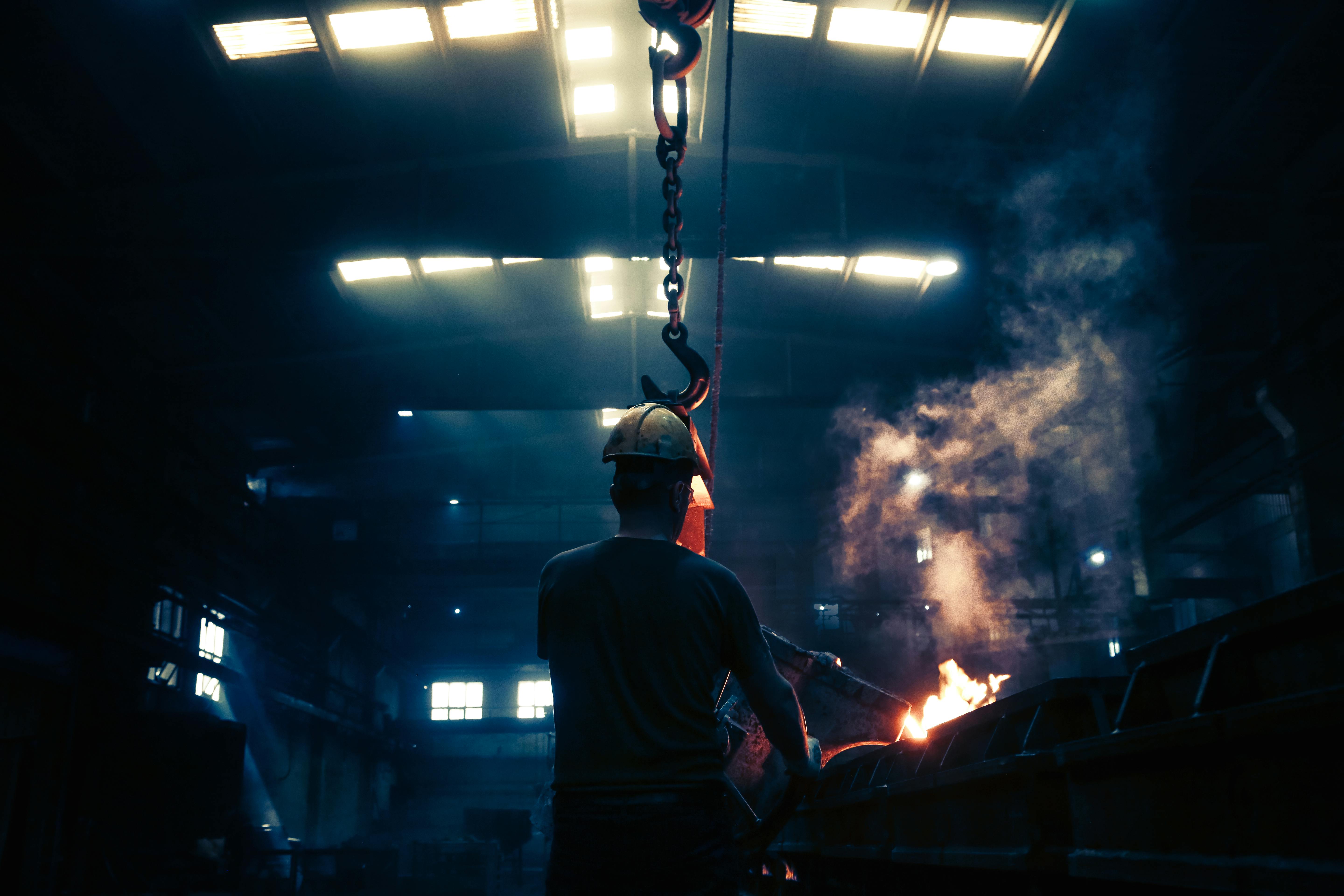
New steel trade measures took effect in both the UKand EU from 1 July 2026. The UK and EU each reduced tariff rate quotas for imported steel (limiting the quantity of steel that can be imported tariff-free) and increased the duty payable on steel imports beyond quota thresholds. The measures are intended to protect the EU and UK domestic steel industries from the negative impacts of global overcapacity in steel production.
The changes mean that businesses in Northern Ireland may have to navigate both EU and UK regimes when sourcing steel, depending on the country of origin and the route by which the steel has been imported. Business groups have raised concerns that the changes will lead to higher costs, delays and administrative burdens, putting local firms at a disadvantage compared to international competitors.
The Economy Minister, Dr. Caoimhe Archibald MLA, warned on 30 June about the impact on local businesses who are heavily reliant on imported steel, stating: “While the British Government has introduced some mitigations, this policy remains hugely detrimental to our economy.”
Prior to the changes coming into force and as highlighted by Manufacturing NI, HMRC announced mitigations including that steel products used in relevant construction activities in Northern Ireland can be moved from GB to NI under the UK Internal Market Scheme (UKIMS). This allows qualifying goods declared through UKIMS to be moved from GB to NI without attracting EU tariffs. The UK and EU have also agreed to maintain quotas for certain categories of UK-origin steel moving into NI under the Windsor Framework.
HMRC has issued specific guidance for local businesses, while an Invest NI webinar (recorded prior to and hence not fully reflective of HMRC guidance) explains the changes and the potential consequences for local business.
The tariff changes were also discussed in a Politico article, Northern Ireland caught in ‘messy middle’ of UK and EU steel tariffs (30 June) and in a BBC article, 'It's a huge own goal': How steel tax could be 'catastrophic' for NI firms (4 July).
VAT and electricity bills
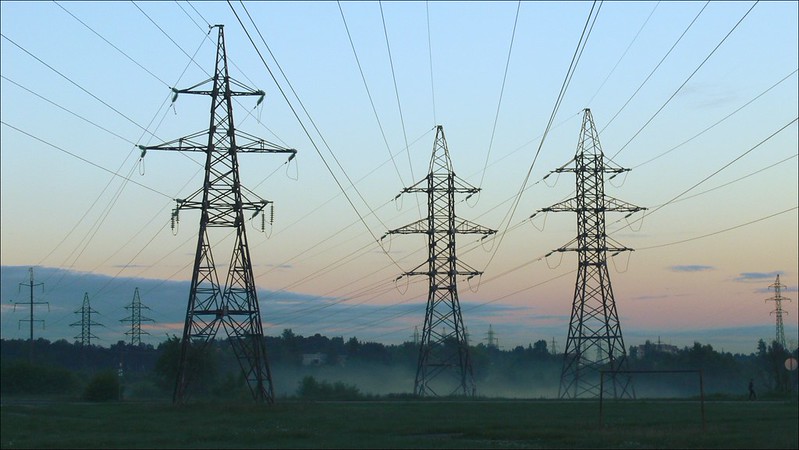
In one of his first decisions as Prime Minister, Andy Burnham announced on 21 July that the UK Government would cut VAT from household electricity bills. The change will take effect from 1 October.
The VAT cut was not immediately applied to Northern Ireland households, on the basis that EU VAT rates apply on goods in Northern Ireland under the Windsor Framework and a change would need to be formally agreed with the EU (via the Withdrawal Agreement Joint Committee).
Instead, the UK Government stated that it would provide comparable funding to the NI Executive to enable it to support households with the cost of living: “…to ensure that households in NI receive the same support as quickly as the rest of the UK”.
The UK Government clarified in response to a parliamentary question on 5 August that it “…has begun discussions with the European Union…” to enable the VAT changes to be introduced to Northern Ireland, but that the NI Executive would receive funding to support households this winter.
Unwrapping new EU packaging rules
© European Union, 2023
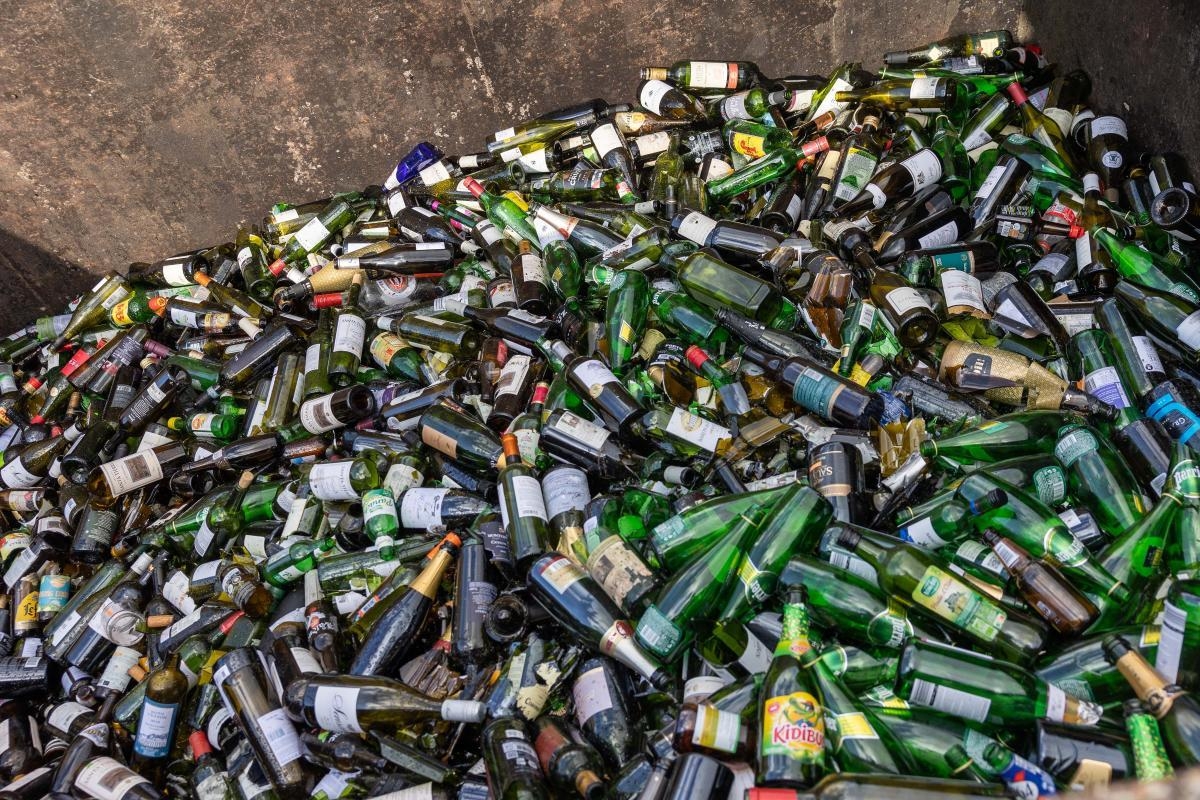
Packaging placed on the Northern Ireland or EU market must comply with a new EU regulation from 12 August 2026.
The Packaging and Packaging Waste Regulation (PPWR) intends to increase the sustainability of packaging, so that more packaging is recycled or reused, and to minimise the use of unnecessary packaging. Measures in the PPWR will be phased in, so that some requirements only apply from 2030.
Much, but not all, of the Regulation applies in Northern Ireland under the Windsor Framework, as explained by the Department for Agriculture, Environment and Rural Affairs (DAERA). DAERA also reports that while the UK Government has not taken a decision on whether to align with the PPWR, a formal consultation on regulatory consistency is planned for early 2027. Alongside the guidance provided by DAERA, NI Business Info and the Food and Drink Federation have also published information for businesses.
The Regulation also introduces requirements around Extended Producer Responsibility, which do not apply under the Windsor Framework. These requirements which have proved particularly contentious owing to the impact on small firms seeking to export across the EU, as reported by Politico (12 August) and the Irish Independent (26 August, paywall).
The Assembly’s Windsor Framework Democratic Scrutiny Committee previously heard evidence on the Regulation from departmental officials in January 2025. More information on the Committee’s consideration of the Act, including evidence received, can be found on the Assembly’s EU Law Scrutiny Tracker.
“Vast majority” of parcels sent to NI consumers not in scope for customs charge

New customs arrangements for low-value parcels entering the EU took effect on 1 July. Low value parcels (valued at up to 150 Euro) sent from non-EU businesses to consumers will be charged a temporary customs duty of 3 Euro per item.
The UK Government published an Explanatory Memorandumon 20 July 2026 assessing the likely effect of the changes on Northern Ireland businesses and consumers. Although the new customs arrangements apply here, goods moved from GB to NI under Windsor Framework facilitations and which are ‘not at risk’ of subsequently moving into the EU are out of scope. The UK Government has stated that the “vast majority” of parcels destined for consumers in Northern Ireland are not in scope and hence “duty effects are minimal”.
Readers will recall that the EU also intends to introduce a handling fee on goods imported into the EU “to compensate for the increasing costs for customs authorities”. The European Commission published a proposal on 27 July that (similar to the temporary customs duty) the handling fee should not apply to goods brought into Northern Ireland which are not at risk of subsequently entering the EU.
A UK Government consultation: ‘Reforming the customs treatment of low value imports into the United Kingdom’ ran between 26 November 2025 and 6 March 2026. The consultation outcome was published on 13 July 2026.
Windsor Framework Committee publishes reports on replacement EU Acts
The Windsor Framework Democratic Scrutiny Committee conducted inquiries on three published replacement acts during August. The Committee published its inquiry reports on 27 August and they are available to read here:
As part of its inquiries, the Committee considered the two conditions that must be satisfied if the Stormont Brake is to be pulled. The Committee concluded that the necessary conditions were not satisfied for each of the replacement acts. Although the Committee found that Regulation 2026/1738 “significantly differs in part from the content or scope of the EU instruments which it amends or replaces”, the Committee concluded that the replacement EU act “would not have a significant impact specific to everyday life of communities in Northern Ireland in a way that is liable to persist”.
And finally… Iceland votes against EU accession talks
"Icelandic Flag" by Christoph Strässler is licensed under CC BY-SA 2.0.
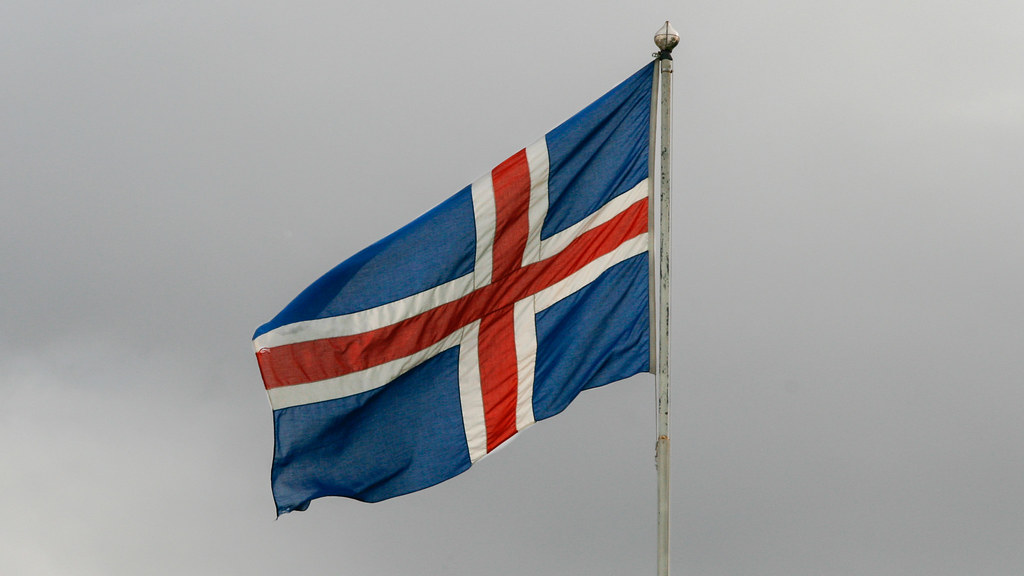
Iceland voted against recommencing talks to join the EU, in a referendum held on 29 August 2026.
52.8% of votes were cast against reopening negotiations on joining the EU compared to 47.2% of votes in favour, on a turnout of 82.5%.
The result has been widely discussed in the media, including Politico, the BBC, the Telegraph (paywall) and the Guardian.


